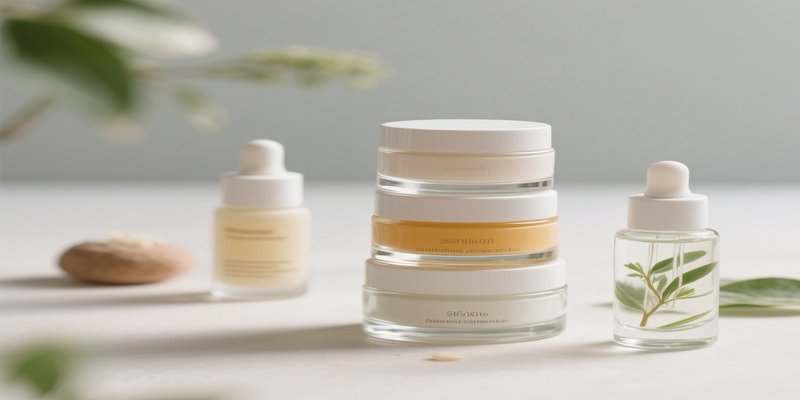
Why More Men Are Getting Cosmetic Procedures
Recovery from cosmetic surgery
The concept of recovery from cosmetic surgery — requires a structured approach that balances rest, wound care, and gradual return to activity. The first 48 hours are the most critical: apply cold compresses (never ice directly on skin) for 20 minutes on, 20 minutes off to reduce swelling. Keep your head elevated at 30 to 45 degrees, even while sleeping, to minimize fluid accumulation. Your surgeon will prescribe pain medication — take it on schedule for the first two to three days rather than waiting for pain to become severe.
Hydration accelerates healing; drink at least eight glasses of water daily and eat a protein-rich diet that provides the building blocks for tissue repair. Avoid sodium, which increases swelling, and alcohol, which thins the blood and increases bleeding risk. Most surgical procedures require at least one to two weeks off work — plan accordingly and arrange for help with daily tasks. Follow your surgeon's wound care instructions precisely and attend all follow-up appointments so your surgeon can monitor your healing.
Sunscreen
The best sunscreens for use after cosmetic procedures must meet strict criteria: mineral-based formulas (zinc oxide and/or titanium dioxide) are preferred because they sit on the skin's surface and provide physical UV blocking without the chemical reactions that can irritate compromised skin. EltaMD UV Clear SPF 46 contains niacinamide and lactic acid, which calm post-procedure inflammation while providing broad-spectrum protection. SkinCeuticals Mineral Matte UV Defense SPF 30 uses a transparent zinc oxide formula that doesn't leave a white cast, making it suitable for daily use under makeup.
La Roche-Posay Anthelios Mineral Ultra-Fluid SPF 50 is another excellent option, with a lightweight, fluid texture that doesn't pill or feel heavy. Apply sunscreen generously — the two-finger rule ensures adequate coverage — and reapply every two hours during sun exposure. After procedures like microneedling, chemical peels, or laser treatment, the skin is especially vulnerable to UV damage; skipping sunscreen can cause hyperpigmentation that undermines the results you paid for. Use sunscreen for at least four weeks after any procedure, even on cloudy days.
Non-Invasive Options
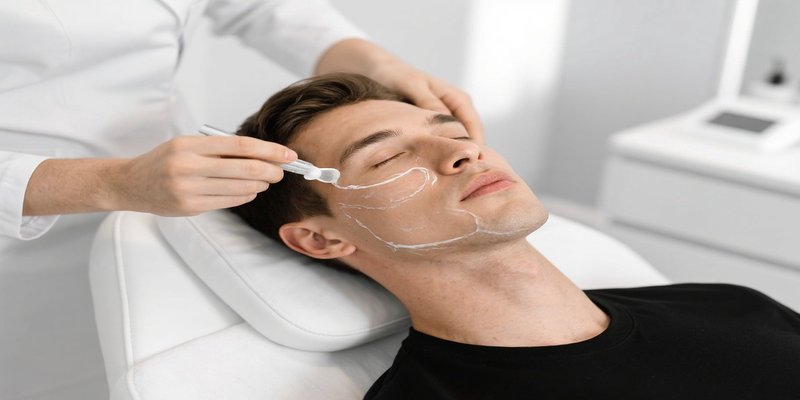
Non-invasive skin rejuvenation procedures have become increasingly popular as technology improves and recovery times decrease. TCA Peel represents the latest advancement, using ultrasound to smooth uneven texture. The procedure is performed in-office and takes approximately 15 minutes. ZWave is a complementary treatment that enhances results by reducing inflammation. For maintenance between sessions, Botox Cosmetic provides barrier strengthening that extends the results of professional treatments. The typical treatment plan involves 25 sessions at 8 weeks intervals, with each session producing cumulative improvement. Side effects are generally mild and include mild redness and slight peeling.
Growing Male Interest
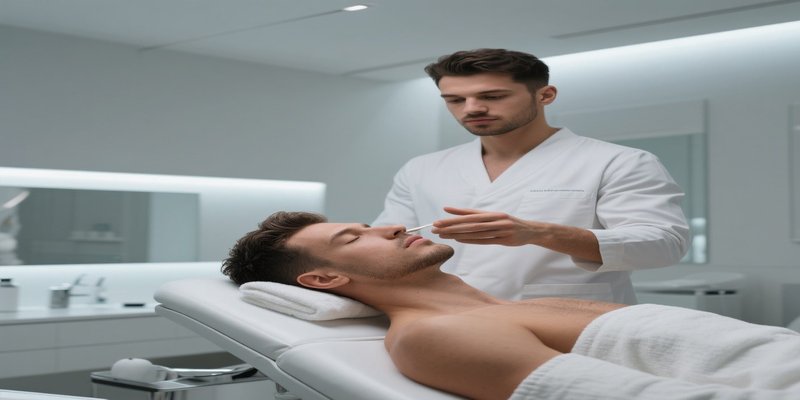
Exploring the number of men — receiving cosmetic procedures has increased by over 40 percent since 2019, driven by changing social attitudes and the normalization of male grooming. The most requested treatments among men are Botox for forehead lines and crow's feet, dermal fillers for jawline definition, and laser treatments for skin texture and redness. Male Botox requires a different approach than female treatments: men typically have stronger facial muscles that require higher dosages (25 to 40 units for the forehead compared to 15 to 25 for women) and a more conservative brow position to avoid a feminized appearance.
Dermal fillers like Juvederm Voluma, placed along the jawline, create a more defined, angular lower face that aligns with conventional male attractiveness standards. Skincare-focused treatments like chemical peels and microneedling have also gained traction among men who want visible skin improvement without the downtime of surgical procedures. Practitioners recommend that men start with Botox and skincare treatments before considering fillers or surgical options.
Selecting the right provider
Exploring selecting the right provider — for cosmetic injections is the single most important decision you'll make — the product matters, but the practitioner's skill and aesthetic judgment matter far more. Board-certified dermatologists and plastic surgeons have the most extensive training in facial anatomy and are best equipped to handle complications. Nurse injectors can also be excellent providers if they work under physician supervision and have extensive experience — ask how many procedures they perform per week and request to see their before-and-after portfolio.

During the consultation, a quality provider will take time to understand your goals, assess your facial anatomy, and explain the proposed treatment plan in detail. Red flags include providers who pressure you to buy packages, promise unrealistic results, or offer significant discounts — legitimate practitioners rarely discount injectables because the products themselves are expensive. Check credentials through your state's medical board website and verify that the provider has no disciplinary actions or malpractice claims.
Vitamin C
The concept of vitamin c — serums for maintaining brightening results after cosmetic procedures should be introduced after the initial healing phase is complete — typically two to three weeks after microneedling, three to four weeks after chemical peels, and four to six weeks after laser treatments. Vitamin C (L-ascorbic acid) inhibits tyrosinase, the enzyme responsible for melanin production, which makes it the most effective topical ingredient for preventing the post-inflammatory hyperpigmentation that can follow cosmetic procedures. SkinCeuticals CE Ferulic at 15 percent concentration is the clinical gold standard — its combination of vitamin C, vitamin E, and ferulic acid provides synergistic antioxidant protection.
For sensitive or post-procedure skin, Mad Hippie Vitamin C Serum uses a gentler derivative (sodium ascorbyl phosphate) that's less likely to cause irritation. Apply vitamin C serum in the morning under sunscreen — the two work together to protect against UV-induced pigmentation. Consistent daily use prevents the fading of brightening results from procedures like chemical peels and IPL photofacials. Store your vitamin C serum in a cool, dark place to prevent oxidation.
The ethical dimensions of
Exploring the ethical dimensions of — cosmetic procedures encompass informed consent, practitioner qualifications, psychological screening, and the societal impact of normalizing aesthetic intervention. Informed consent requires practitioners to discuss not only the expected benefits but also the realistic limitations, potential complications, and financial commitment of any procedure. Unrealistic expectations are the primary driver of patient dissatisfaction — a practitioner who promises results they can't deliver is acting unethically regardless of their technical skill.
Psychological screening is increasingly recognized as essential: body dysmorphic disorder (BDD) affects an estimated 15 percent of cosmetic procedure patients, and treating someone with BDD through cosmetic intervention typically worsens their condition. Ethical practitioners screen for BDD using validated questionnaires and refer affected patients to mental health professionals. Patients have a responsibility to research their provider's qualifications, understand the risks, and examine their motivations honestly before proceeding.
Most Read
Anti-aging Serums: Which Ones Actually Work
Nail Stamping: Professional Designs in Minutes

Skin Tightening: Non-surgical Options That Work

The Rise of Air-Drying: How to Style Hair Without Heat
The Clean Hair Care Movement: Sulfate-Free and Silicone-Free